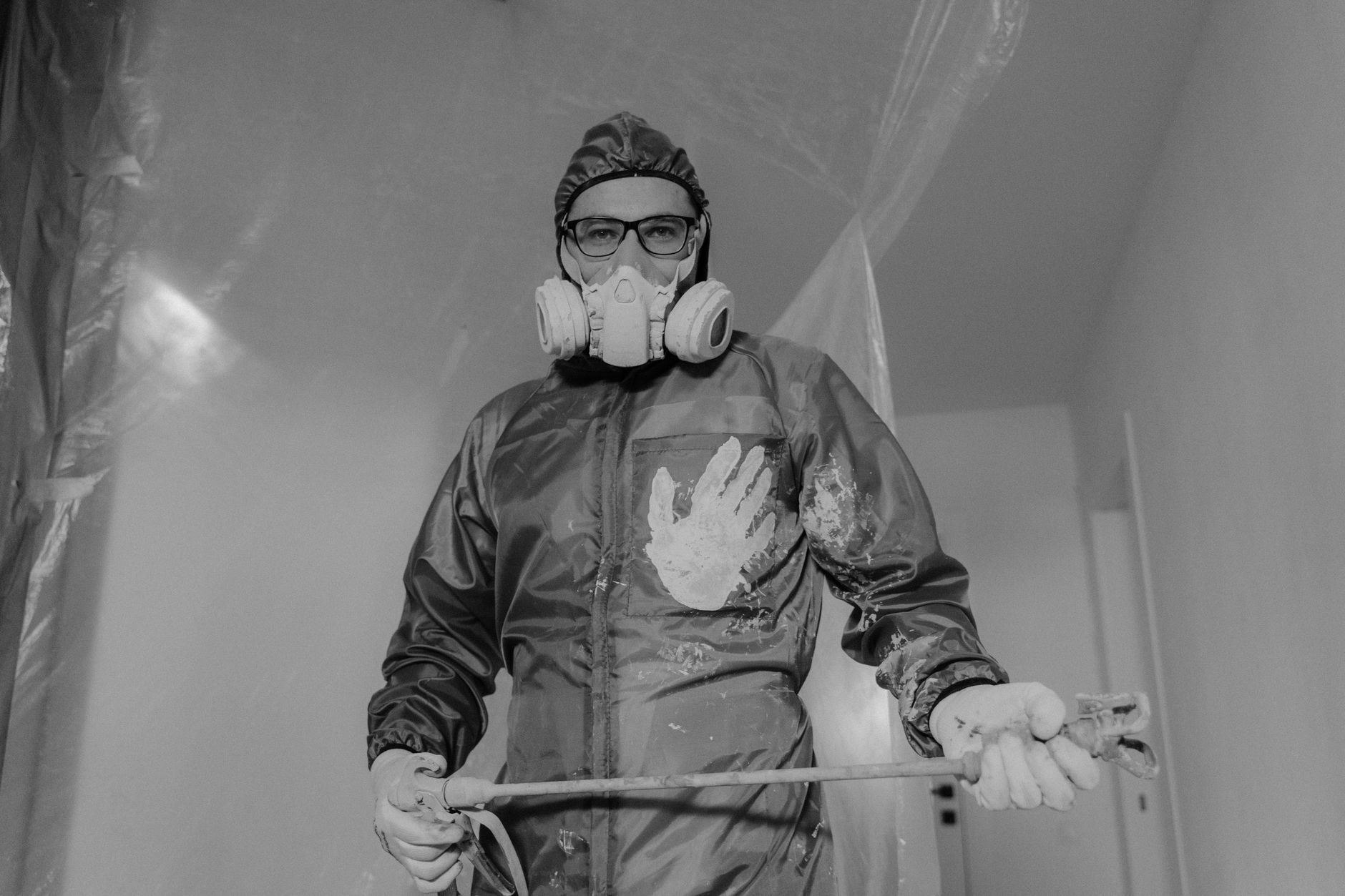
You go downstairs and there's water on the floor. Maybe it's an inch, maybe it's more. Maybe it came from a storm, a sump pump that quit, or a pipe that let go.
What you do in the next 24 hours makes a big difference in how much you end up replacing. Here's what to do, in order.

1. Make sure it's safe
Before you step into standing water, think about electricity. If water is near outlets, appliances, or the electrical panel, don't go in. Shut off power to the basement at the breaker if you can reach it safely. If you can't, call your utility or an electrician first.
Also watch for gas smells, and be careful if the water came from a sewer backup. That water carries bacteria and shouldn't be handled without protection.
2. Stop the water if you can
If it's a burst or leaking pipe, shut off your main water valve. Most homes have it in the basement near where the water line comes through the foundation wall.
If it's groundwater or a storm, you may not be able to stop it right away. Focus on what you can control.
3. Take photos before you move anything
Your insurance company will want to see the damage as you found it. Take photos and video of the water level, damaged belongings, walls, and flooring. Do this before you start cleaning up.
4. Call your insurance company
Report the claim early. Ask what your policy covers. Flood damage from outside water and water damage from a burst pipe are often treated differently, so it's worth knowing where you stand before work begins.
5. Get the water out, and start drying
This is the step that matters most for preventing mold. Mold can begin growing within 24 to 48 hours after materials get wet.
A wet-dry vac works for small amounts of water. For more than that, or water that's soaked into carpet, padding, or drywall, you need commercial extraction and drying equipment. Fans and a dehumidifier help, but they usually can't dry a full basement fast enough on their own.
6. Move what you can save
Pull furniture, boxes, and rugs out of the water and up to a dry area. Wood furniture can stain carpet, so set it on blocks or foil if it has to stay. Anything cardboard should come out first, since it soaks through fast.
7. Don't seal anything up yet
It's tempting to put the room back together quickly. Don't. Walls, subfloors, and carpet padding can feel dry on the surface while staying damp underneath for days. Covering wet materials is how a water problem turns into a mold problem.
What a restoration company actually does
A certified water damage team will:
- Extract standing water with truck-mounted or portable equipment
- Measure moisture in walls, floors, and framing, not just on the surface
- Remove materials that can't be dried, like soaked padding or drywall
- Set up commercial air movers and dehumidifiers
- Check moisture levels until everything is back to normal
Longo is IICRC certified and has been family owned since 1986. We handle flooded basements and water damage across the Pioneer Valley and Northern Connecticut, including Springfield, Agawam, Westfield, Chicopee, and Enfield.
The short version
Stay safe, stop the water, take photos, call your insurance, and start drying right away. The faster the water comes out, the less you'll have to replace.
Basement flooded? Call Longo at (413) 610-3632.