The leak is fixed. The puddle is gone. The carpet feels dry. For a lot of Springfield homeowners, that's where the story ends, until a musty smell shows up a few weeks later.
Mold doesn't need standing water. It needs moisture that stays put long enough, and after a leak, a burst pipe, or a wet basement, that moisture often hides where you can't see it: under flooring, behind drywall, inside insulation, and in carpet padding.
Here's what mold remediation actually involves, and how to tell when it's time to call someone.
Mold can start fast
Mold can begin growing within 24 to 48 hours after materials get wet. That's why the first two days after water damage matter so much. Drying the surface isn't the same as drying the structure. A floor can feel dry on top while the subfloor underneath stays damp for days.
In Western Massachusetts and Northern Connecticut, humid summers and damp basements make this worse. Moisture that would dry out on its own somewhere else tends to linger here.
Signs you may already have a problem
- A musty, earthy smell that doesn't go away, especially in basements or closets
- Dark spots or fuzzy patches on walls, baseboards, or ceilings
- Paint that's bubbling or peeling
- Carpet that smells worse when it's humid
- Allergy-like symptoms that get better when you leave the house
If you've had water damage in the last few months and you're noticing any of these, it's worth having someone take a look. What you see on the surface is usually a small part of what's there.
What remediation actually involves
Mold remediation isn't spraying bleach on a wall. Done right, it follows a clear process.
1. Find the moisture source. If the water problem isn't fixed, the mold comes back. Every remediation starts here.
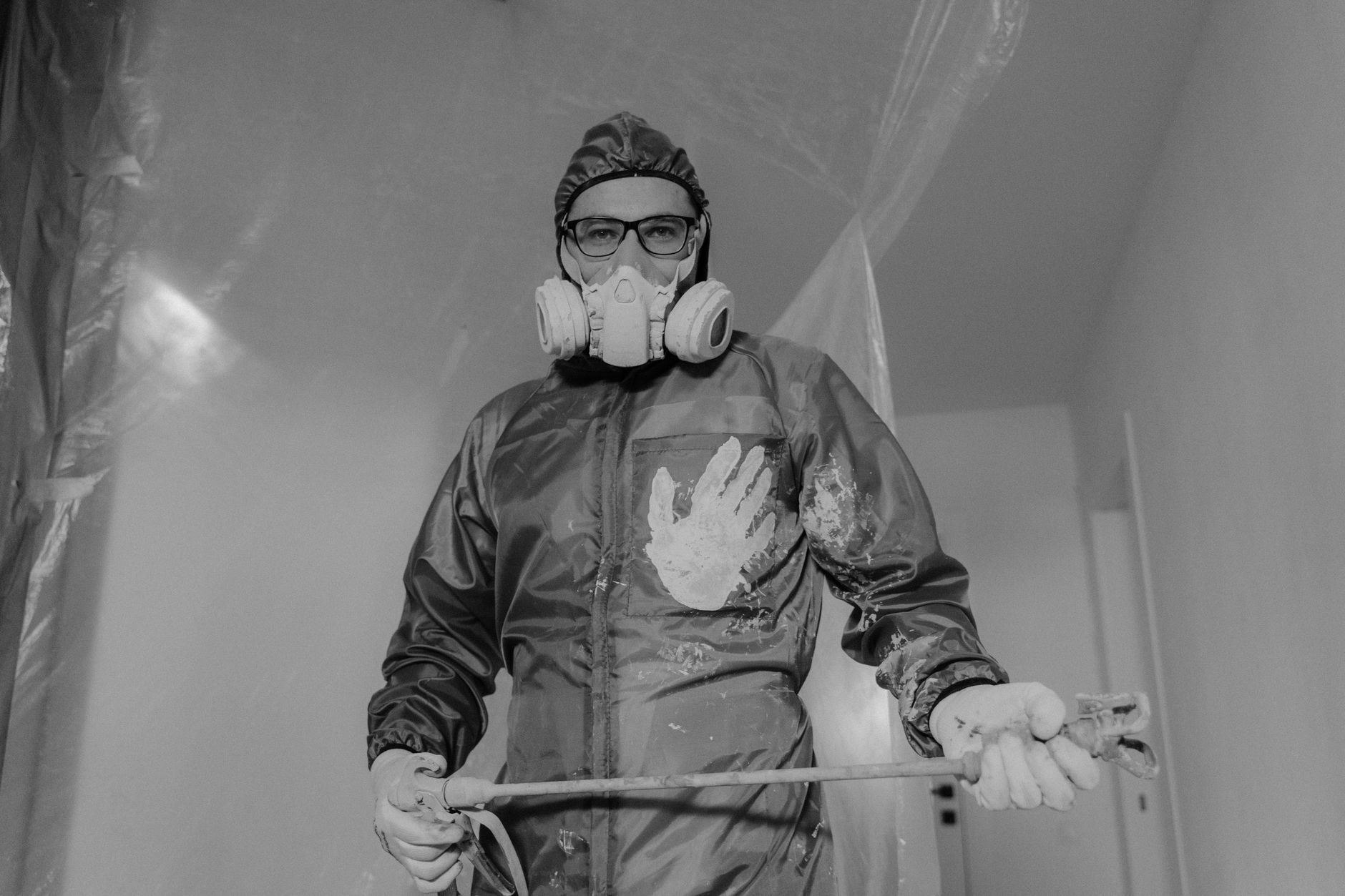
2. Contain the area. Mold spreads through the air when it's disturbed. A proper job seals off the affected space so spores don't travel to the rest of your home during cleanup.
3. Remove what can't be saved. Porous materials like drywall, insulation, and carpet padding often can't be fully cleaned once mold has grown into them. Those get removed and bagged.
4. Clean what can be saved. Wood framing, concrete, and other hard surfaces are cleaned and treated.
5. Dry everything completely. Commercial drying equipment brings moisture levels back to normal, including inside walls and under floors. This is the step most DIY cleanups skip, and it's the reason mold returns.
6. Confirm it's done. Moisture readings should be back to normal before anything gets rebuilt or covered up.
When you can handle it yourself, and when you can't
The EPA's general guidance is that a small patch, roughly 10 square feet or less, can often be cleaned by a homeowner with the right precautions. Anything larger, anything inside walls or HVAC systems, or anything that came from sewage or contaminated water is a job for a professional.
The same goes if anyone in the home has asthma, allergies, or a weakened immune system. It's not worth the risk.
Why certification matters
The IICRC (Institute of Inspection, Cleaning and Restoration Certification) sets the industry standards for water damage and mold remediation. A certified company follows a documented process for containment, removal, and drying, rather than guessing.
Longo has been a family business since 1986 and is IICRC certified. We handle water damage and mold remediation across the Pioneer Valley and Northern Connecticut, including Springfield, Agawam, West Springfield, Chicopee, and Enfield.
Don't wait for it to get worse
Mold doesn't fix itself. The longer moisture stays, the more material gets damaged and the bigger the job becomes. If you've had water damage, or you're noticing a smell you can't explain, call us.
Call Longo at (413) 610-3632 to schedule an inspection.